

Waterford to Piltown: A Complete Route Overview
Everything you need to know about this stunning 22-kilometre converted viaduct cycling route through the Suir Valley
A Heritage Trail Built for Everyone
The Waterford to Piltown route isn't just another cycling path. It's a journey through history on what was once the Dungarvan railway line, closed since 1963. Today, the beautifully restored viaduct carries cyclists instead of steam trains, offering smooth, flat terrain that's perfect for riders of all ages and fitness levels.
You'll pedal through the heart of the Suir Valley, passing through five villages, crossing historic stone viaducts, and experiencing views that shift from urban Waterford to rolling countryside. The route takes roughly 90 minutes at a relaxed pace, so you're never rushed.

Route Basics at a Glance
22km
Total Distance
~90 min
Cycling Time
Flat
Terrain Type
Year-Round
Best Season
The Historic Viaducts
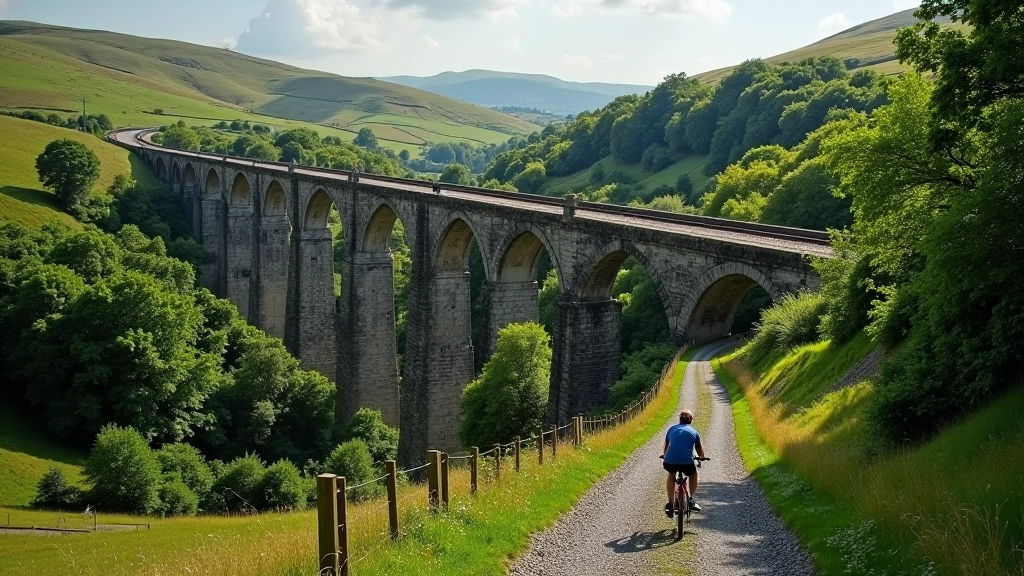
The real magic happens when you cross the viaducts. There are three major stone viaducts along the route — engineering marvels built in the 1870s. They're completely safe for cycling, and the views from the middle are spectacular. You're roughly 30 metres above the valley floor, looking out across fields and woodland.
Surface & Safety
The surface is well-maintained tarmac throughout. There are no potholes or rough sections. The path is about 4 metres wide, so there's plenty of room for two cyclists to pass comfortably. The whole route is lit at key sections, which is helpful during winter months when daylight hours are shorter.
Wind can be a factor on the viaducts — they're exposed, so gusts do pick up. But nothing extreme. On a windy day, you'll feel it, but it's never going to push you off the path.
Rest Stops & Facilities
We're going to be honest — the route isn't lined with cafés. You'll find facilities in the villages, not scattered along the path itself. But that's also part of its charm. It forces you to plan slightly, and you actually visit the villages instead of cycling straight through.
Water & Toilets
Public toilets in Kilmacthomas, Dungarvan, and Piltown. Several pubs along the route will let you use facilities if you're a customer.
Food & Drink
Cafés and pubs in every village. Dungarvan (halfway) is your best bet for proper food — multiple restaurants and shops there.
Parking
Free car parks at Waterford Greenway Car Park and in Piltown. Both are clearly signed.
Benches & Rest Areas
Dedicated benches at regular intervals. Plenty of shaded spots under trees during summer months.
Planning Your Ride
Timing depends on your pace and fitness level. Most people take 90 minutes to 2 hours for the full 22 kilometres. If you're stopping in villages or taking photos at the viaducts, add another 30-60 minutes.
Best Time to Go
Spring (April-May) and early autumn (September-October) offer the most pleasant weather — mild temperatures and longer daylight. Summer can be warm, which is fine for this flat route. Winter's manageable too, but you'll want lights given the shorter days. The route doesn't close in any season, though it can get muddy in very wet periods.
If you're new to cycling or returning after a break, this route is ideal for building confidence. There's no pressure, the surface is smooth, and you can stop whenever you want. Many people do the route several times in a season just to enjoy different times of year.

Read More About Waterford Cycling


Important Information
The information in this guide is accurate as of June 2026 and is provided for informational purposes only. Route conditions, facilities, and services can change. We recommend checking with local tourism offices or the Greenway management for the latest updates on closures, maintenance, or facility availability before your visit.
Always wear a safety helmet, follow local cycling laws, and ride at your own pace. If you're returning to cycling after a long break or have any health concerns, consider consulting with a healthcare professional before undertaking longer routes.
Ready to Ride?
The Waterford to Piltown route is one of Ireland's best-kept cycling secrets. It's accessible, beautiful, and genuinely enjoyable whether you're cycling for 90 minutes straight or breaking it into a full-day outing with stops in every village.
Start at Waterford Greenway Car Park, bring water and snacks, wear a helmet, and take your time. You'll understand why this converted railway line has become such a favourite with cyclists of all ages and abilities.