
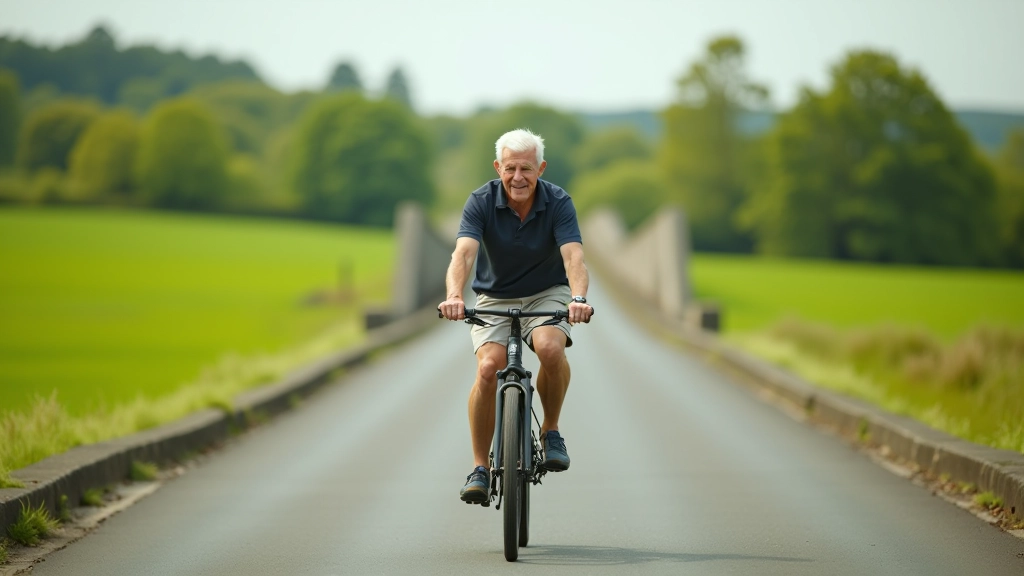
Best Times to Cycle the Suir Valley Route
Spring and early autumn offer the most pleasant weather. Discover what to expect in each season and how conditions affect your ride.
Easy ways to build stamina and confidence for cycling. We cover warm-ups, pacing strategies, and how to enjoy the route without overexertion.
Getting into cycling as a pensioner doesn't mean jumping straight onto a long route. It's about building fitness gradually, understanding your body's signals, and enjoying the experience without pushing too hard. The Waterford to Piltown viaduct route is perfect for this because it's flat, scenic, and you can control your own pace entirely.
We're going to walk you through the real fundamentals — warm-ups that actually make a difference, how to pace yourself so you don't burn out, and what to expect in those first few weeks. Many people think they need to be super fit before they start, but that's backwards. You get fit by cycling, not the other way around.
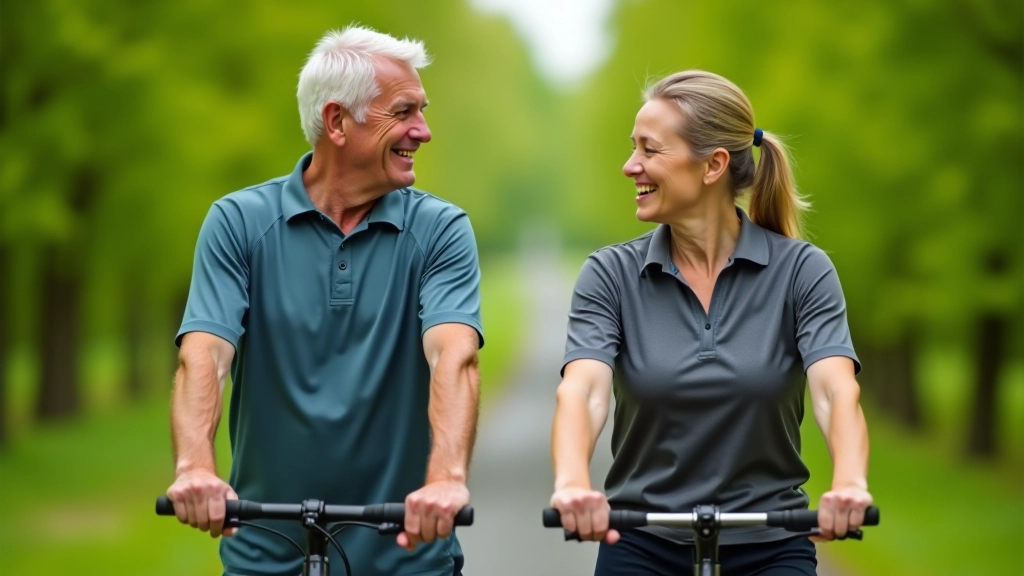
You can't just hop on a bike and ride. Your muscles need preparation, especially if you've not been cycling regularly. A proper warm-up takes 10-15 minutes and makes the whole experience smoother.
Don't skip this. We've seen countless people jump straight into riding at full pace and then wonder why their knees hurt. The warm-up literally takes less time than brewing a cup of tea and it prevents injury.

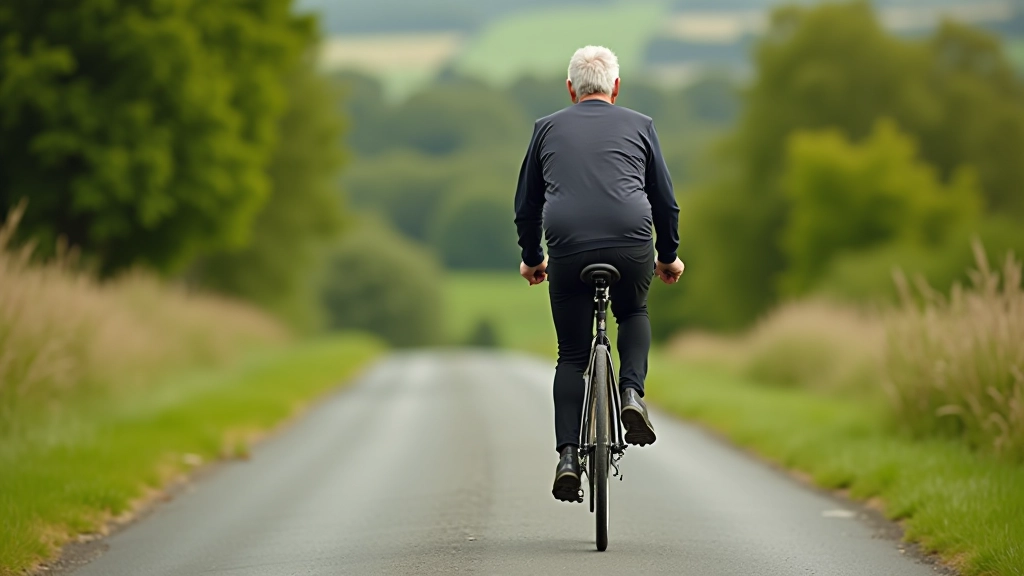
This is where most people make their mistake. They start strong, get tired halfway, and then regret it for days. The Waterford to Piltown route is about 13 km one way. You don't need to crush it.
You should be able to hold a conversation while cycling. If you can't speak in complete sentences, you're going too hard. Aim for a pace where you're working, but you're not breathless. On flat terrain like the viaduct, this usually means 12-15 km/h for beginners.
In your first month, don't worry about distance. Focus on time instead. Try 20-30 minutes at a comfortable pace, twice a week. Your legs will adapt, your cardiovascular fitness improves, and you won't hate the experience. Plus, you'll actually want to go back.
Your body adapts to cycling over time. The first two weeks, you'll probably feel muscle soreness in your legs and backside. That's normal. By week 3-4, that soreness disappears and you'll notice you're not as tired after the same distance.
Don't increase your cycling distance by more than 10% per week. If you're doing 20 minutes, the next week aim for 22 minutes. Small increments prevent injury and allow your joints to strengthen. Your knees, hips, and lower back need time to adjust to the new activity.
Recovery matters as much as the riding itself. You don't get stronger while cycling — you get stronger while you're resting. That's why spacing rides with rest days is crucial.

This article provides educational information about cycling for older adults. It's not medical advice. Before starting any new exercise program, especially if you have existing health conditions, joint problems, or take medications that affect balance or cardiovascular function, please consult with your doctor or a healthcare professional. They can assess your individual fitness level and provide guidance tailored to your specific circumstances. Everyone's body is different, and what works for one person might need adjustment for another.
You don't need to be fit to start cycling — you become fit by cycling. That's the honest truth. The Waterford viaduct route is there waiting, flat and beautiful, and it doesn't care whether you're going fast or slow. What matters is showing up, respecting your body's pace, and enjoying the journey.
Those first few weeks will feel strange. Your legs might ache, you might feel tired after a short distance. But by week four, something shifts. You'll realize you're riding longer without thinking about it, your breathing feels easier, and you actually want to go back. That's when it becomes a habit, and habits stick around.
Start small, be consistent, listen to what your body tells you, and don't compare yourself to anyone else. You're building fitness for yourself, at your own pace, on one of the most scenic routes in Ireland.