
Choosing the Right Bike for Flat Routes
Hybrid bikes work brilliantly on the viaduct. We'll explain why and what features to look for if you're buying or renting for this journey.
The Viaduct Demands the Right Setup
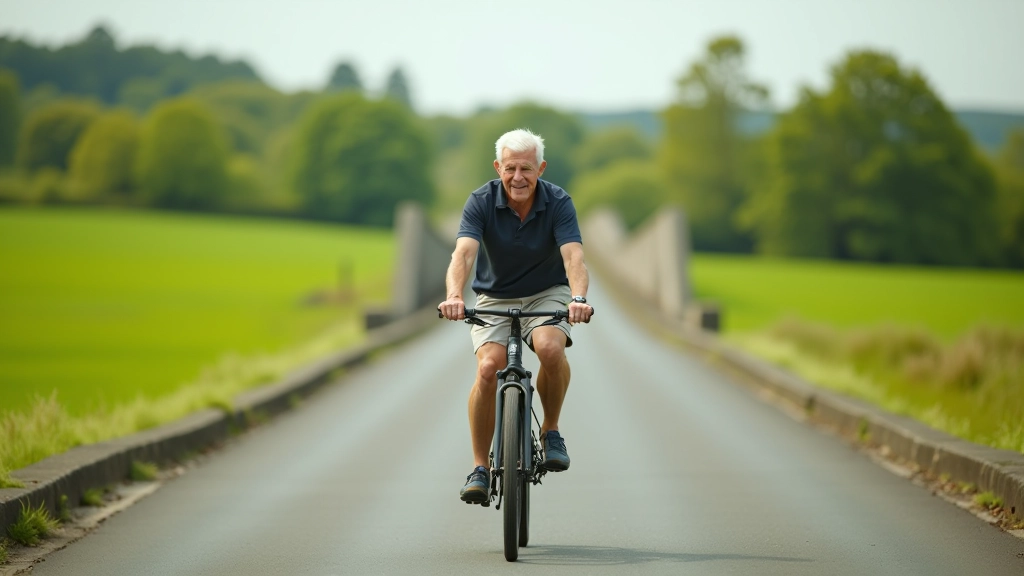
When you're cycling the converted Waterford to Piltown viaduct, you're not dealing with mountain trails or demanding hills. You're on a smooth, mostly flat heritage rail trail where the real challenge is comfort over distance. That's why bike choice matters — not for speed, but for how your body feels after 20 or 30 kilometres of gentle pedalling.
Most people reaching for a mountain bike or a road racer are actually making their ride harder than it needs to be. A hybrid sits right in the middle, and that's precisely what works here. It's designed for exactly this kind of terrain.

Why Hybrid Bikes Shine on Flat Terrain
Understanding the geometry that makes hybrids the sensible choice
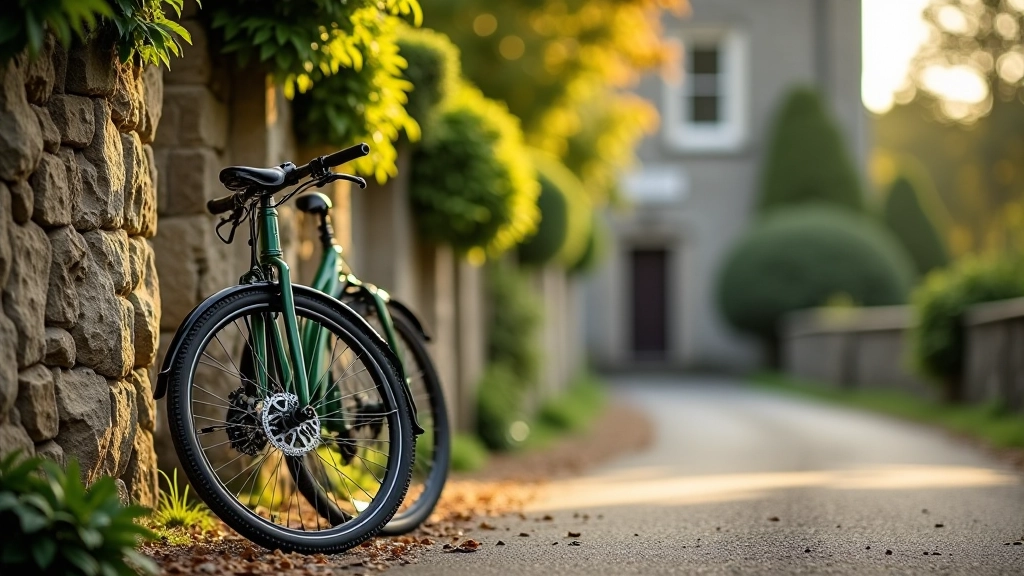
Upright Riding Position
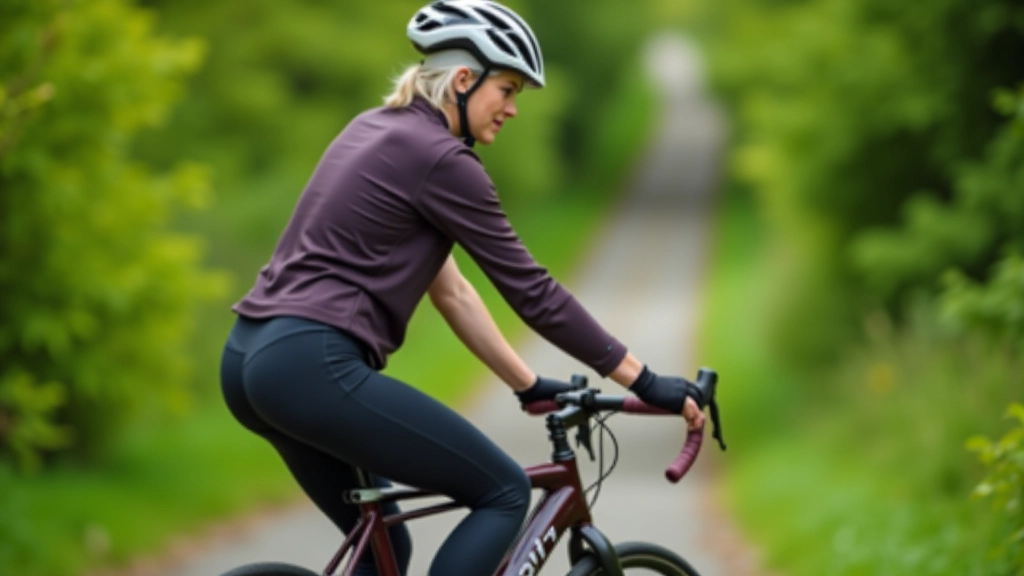
You'll sit more vertically, which means less strain on your lower back and neck. That matters when you're riding for an hour or more.
Wider, Knobbly Tyres
Not as thick as mountain bike tyres, but wider than road bike ones. You'll feel confident on gravel sections and any rough patches.
Efficient Gearing
You won't need the extreme high gears of a road bike, but you'll want enough range to handle slight inclines without exhausting yourself.
Stability Over Speed
The wheelbase is longer than a road bike, which means you're stable on flat terrain. You won't feel twitchy or nervous on a straight run.
Essential Specs You Should Know
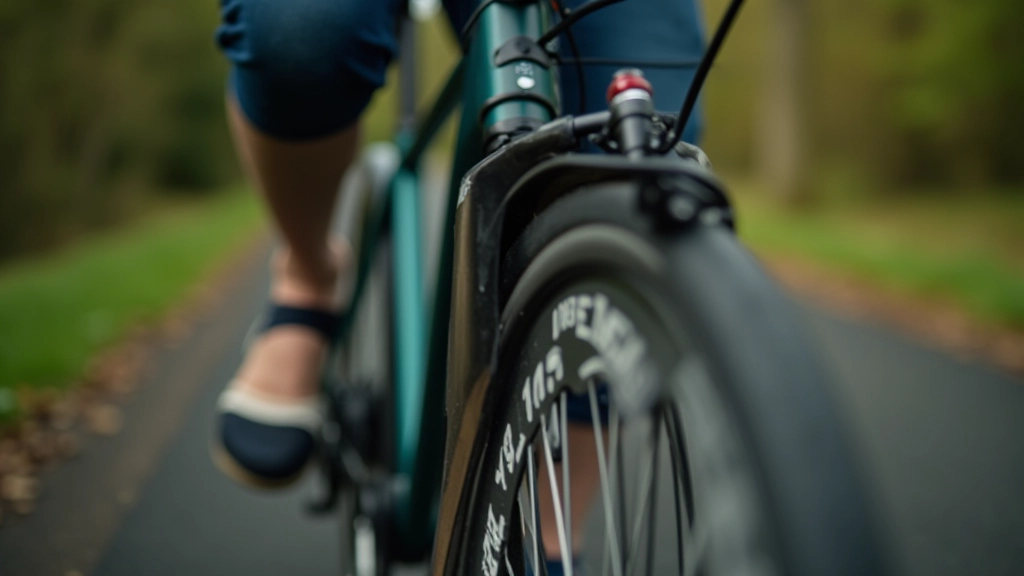
Wheel size for hybrids usually sits between 26 and 28 inches. Most modern ones use 700c wheels, which is fine. The bigger the wheel, the easier it rolls over rough patches. But it doesn't matter massively on a well-maintained trail like the viaduct.
Weight matters more than you'd think. A hybrid in the 12-15 kilogram range is realistic. If you're over 16kg, you're looking at a heavier model that'll feel sluggish. Under 11kg and you're paying for performance you won't use on flat terrain.
Gearing: look for 18 to 21 speeds on the cassette. That's plenty. You don't need 30 gears for the viaduct. Most hybrids have 3 chainrings up front and 6-7 on the back — that's the standard setup.


Information Disclaimer
This article provides educational information about hybrid bicycles and their suitability for flat terrain cycling. It's intended to help you understand bike features and make informed decisions. Everyone's needs are different — factors like your height, weight, fitness level, and any physical considerations will affect what works best for you. If you have specific health concerns or physical limitations, we'd recommend consulting with a qualified bike fitter or your healthcare provider before starting a new cycling routine. The information here is general guidance, not personalised advice.
The Right Bike Makes the Journey Enjoyable
You don't need an expensive bike to enjoy the viaduct route. You need one that fits you properly, feels comfortable after an hour of riding, and gives you the confidence to pedal without worrying about whether your choice was right. That's exactly what a hybrid delivers.
If you're renting, test the bike before committing to the full journey. Ride it around the car park for five minutes. Check the brakes feel responsive. Make sure you can touch the ground comfortably when stopped. These small checks take two minutes and can make the difference between a brilliant day out and an uncomfortable slog.
And if you're buying your first hybrid? Don't overthink it. Most modern hybrids in the mid-range are solid, reliable machines. Focus on comfort and fit over fancy components. You'll know you've found the right one when you stop thinking about the bike and just enjoy the ride.